Frost-Free Refrigerators: The Modern Kitchen Essential
In the world of kitchen appliances, innovation has consistently improved both convenience and performance. One such innovation is the frost-free refrigerator—a staple in modern homes. Gone are the days when homeowners had to manually defrost their fridges or deal with icy buildup that consumed valuable storage space. Today, frost-free refrigerators offer a more efficient, hygienic, and user-friendly solution to food preservation.
In this blog, we’ll dive into what makes frost-free refrigerators unique, how they work, their benefits and limitations, and tips for choosing the right one for your home.

What is a Frost-Free Refrigerator?
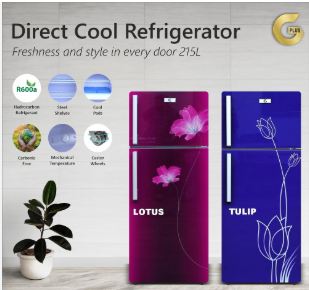
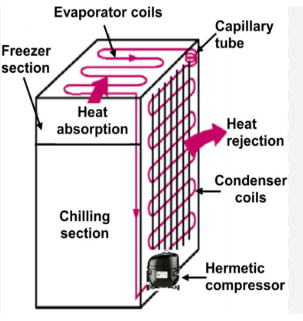
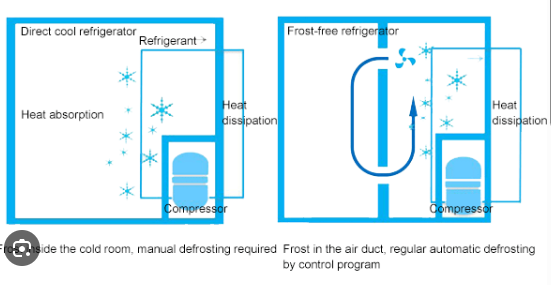
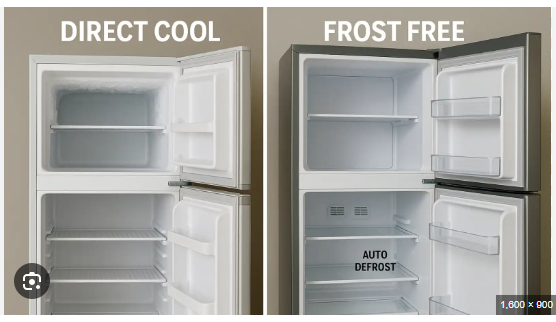
A frost-free refrigerator is designed to prevent the build-up of ice inside the freezer compartment. Traditional (or direct cool) refrigerators require manual defrosting when ice accumulates. In contrast, frost-free models use advanced air circulation and timed heating elements to prevent ice from forming in the first place.
This technology not only ensures consistent cooling throughout the appliance but also saves time and effort for the user.

How Does It Work?
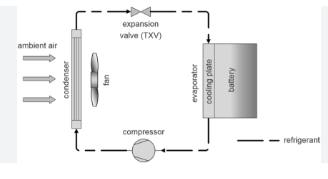
The mechanism behind frost-free refrigerators involves a combination of fans, sensors, and heating coils:
- Air Circulation: An internal fan circulates cool air evenly throughout the compartments. This prevents the formation of frost on the walls and around stored items.
- Defrost Timer: The refrigerator includes a timer that activates the defrost heater at regular intervals—usually once every 6 to 12 hours.
- Defrost Heater: This heating coil melts any minor frost that may have begun forming on the evaporator coil.
- Temperature Sensor: Sensors ensure that the heating cycle stops once defrosting is complete, so the interior remains at an ideal temperature.
This cycle happens automatically and is invisible to the user, offering a seamless experience.

Key Benefits of Frost-Free Refrigerators
1. No Manual Defrosting
Perhaps the most obvious benefit is convenience. There’s no need to unplug the appliance and wait hours for ice to melt, which is a common hassle with direct cool models.
2. Even Cooling
The circulation of air ensures uniform cooling, which helps food stay fresher for longer. No more frozen veggies in one corner and warm drinks in another.
3. Better Hygiene
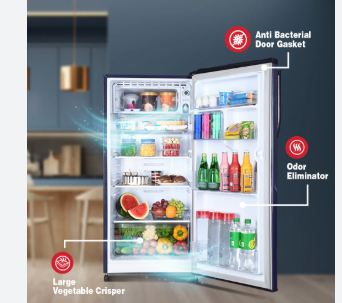
Ice buildup can trap food particles and lead to odors or bacterial growth. Frost-free refrigerators reduce this risk, contributing to a more sanitary kitchen.
4. Energy Efficiency
While frost-free models might consume slightly more electricity than direct cool fridges, they often include inverter compressors and smart cooling systems, which help manage energy use effectively.
5. Extended Appliance Life
Less strain on the compressor and consistent internal temperatures often translate to a longer-lasting appliance.
6. Built-in Thermostat
Frost-free models also come with a built-in thermostat, with the new age models users can monitor and control the temperature of refrigerator. This allows consistent temperature and humidity in refrigerator, making food last longer safe.


Potential Drawbacks to Consider
While frost-free refrigerators are an excellent choice for most households, there are a few considerations to keep in mind:
- Slightly Higher Energy Use: The fan and defrost heater consume additional electricity. However, modern energy-efficient models largely offset this.
- Cost: Frost-free models are typically more expensive upfront than direct cool options.
- Noise: The fan operation might generate more noise compared to the virtually silent direct cool units.
- Drying of Food: Constant air circulation may cause some moisture loss, which can lead to drying out of uncovered food. Storing items in airtight containers helps mitigate this.
Types of Frost-Free Refrigerators
Frost-free technology is available in a variety of refrigerator types:
1. Top Freezer
A classic layout where the freezer is located above the fridge compartment. It’s budget-friendly and efficient.
2. Bottom Freezer
These models place the freezer at the bottom for easier access to frequently used fresh food items.
3. Side-by-Side
Features two vertical compartments—one for the fridge, the other for the freezer. Great for organization and large families.
4. French Door
A premium option with double doors for the fridge and a separate pull-out freezer. These often come with smart features and large storage capacity.


Smart Features to Look For
Many modern frost-free refrigerators offer advanced features:
- Inverter Compressor: Adjusts cooling based on usage, improving efficiency and durability.
- Convertible Compartments: Switch sections between fridge and freezer as needed.
- Deodorizer Filters: Neutralize odors to keep food smelling fresh.
- Wi-Fi Connectivity: Enables temperature control and diagnostics via smartphone apps.
- Touch Panels & LED Displays: For easy control of temperature and modes.
- Bactshield: this technology prevents Bacterial Growth and providing long-lasting freshness.
Tips for Buying a Frost-Free Refrigerator
- Assess Your Needs: Consider your family size, cooking habits, and available kitchen space.
- Check Energy Rating: Look for a high BEE star rating to save on electricity bills.
- Storage Configuration: Adjustable shelves, large door bins, and ample freezer space can make a big difference.
- Brand Reputation & Warranty: Go for trusted brands that offer at least 1-year product and 10-year compressor warranties.
- Budget: While frost-free refrigerators are costlier, their low maintenance and modern features justify the investment.
Maintenance Tips
Frost-free refrigerators require less maintenance, but they still benefit from regular care:
- Clean the Coils: Dust the condenser coils every 6 months.
- Wipe the Gasket: Dirty door seals can affect cooling efficiency.
- Don’t Overload: Proper air circulation is key; avoid stuffing it full.
- Check the Drain Hole: Occasionally, clear the drain hole to prevent clogs.
Conclusion
Frost-free refrigerators represent a significant upgrade in food preservation and home convenience. With automatic defrosting, even cooling, and an array of smart features, they are ideal for modern lifestyles. While the initial cost might be higher than traditional models, the long-term savings, ease of use, and superior hygiene make them well worth the investment.
Whether you’re upgrading your current fridge or setting up a new kitchen, a frost-free refrigerator is a reliable and efficient choice that meets the needs of today’s households.
Have questions about choosing the right model or features? Let us know in the comments below!